

Personal injury guide
Slip, Trip, and Fall Claims
An owner is responsible when a hazard it knew about, or should have found, caused your fall and it failed to fix the hazard or warn you about it.
The short answer
Owners must keep property safe
Not every fall leads to a claim. California law does not make property owners responsible for every accident on their property, but it does require them to use reasonable care to keep it safe.
A claim generally turns on three questions: whether a dangerous condition existed, whether the owner knew about it or should have found it through reasonable inspection, and whether the owner failed to fix it or warn people in time.
Falls on public property, such as city sidewalks, follow different rules and a much shorter deadline, so it helps to know early which rules apply.
Insurance companies defend fall claims hard, so evidence gathered in the first hours and days often makes the difference.
This guide explains how premises liability works, the common types of fall cases, and the evidence that matters most.
1. The legal standard
Owners, and businesses or tenants who control property, must use reasonable care to keep it reasonably safe. Common hazards include:
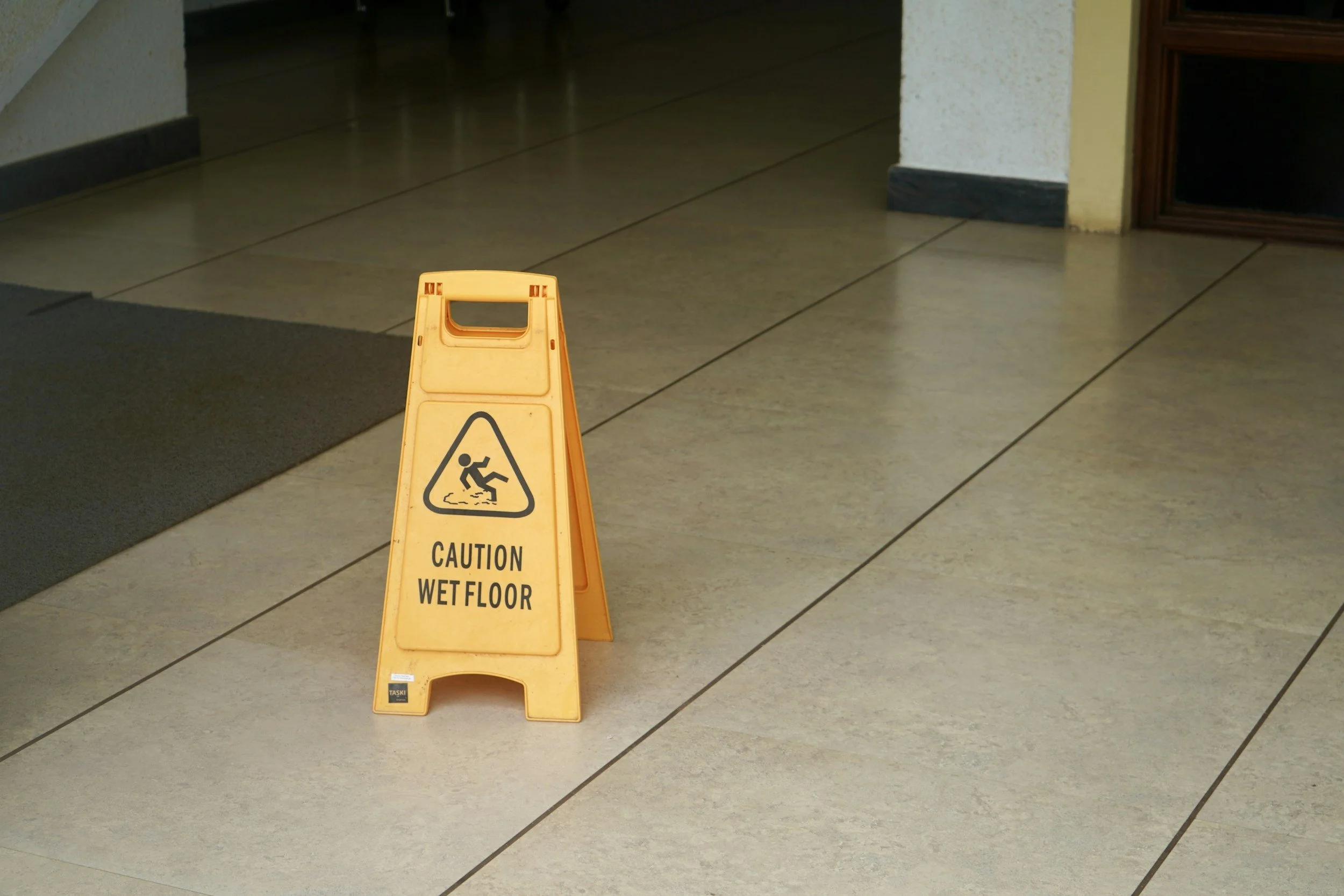
Spills and wet floors, including wet entryways on rainy days
Broken or uneven steps, flooring, and pavement
Poor lighting on stairs and walkways
Missing or loose handrails
Loose mats, cords, and debris in walkways
2. Knew or should have known
An owner is responsible for a hazard it actually knew about, and for one that existed long enough that a reasonable inspection would have found it. Evidence of how long a hazard was there, such as footprints or dirt in a spill, inspection logs, and prior complaints, often decides this question.
3. Falls in stores and businesses
Stores must inspect their floors and aisles at reasonable intervals. After a fall, ask the manager to make an incident report and write down the manager’s name. Photograph the hazard before it is cleaned up. Store video is often recorded over within days, so request it in writing right away, or let us do it.
4. Apartments and rental property
Landlords are responsible for keeping common areas, such as stairs, walkways, parking areas, and lighting, reasonably safe. Inside a unit, a landlord may be responsible for a defect it knew about and failed to repair. Repair requests made in writing are valuable evidence.
5. Public sidewalks and city property
A claim against a city, county, or the state for a dangerous condition of public property requires showing that the public agency knew or should have known of the danger. Before suing, you must generally present a written claim to the agency within six months of the fall. An adjacent property owner may share responsibility in some situations, such as when the owner caused the damage.
6. Small defects
California courts treat some sidewalk and floor defects as too minor to be dangerous. Whether a defect is trivial depends on its size and on the circumstances, such as lighting, weather, and whether something hid it from view. Photograph the defect with a ruler or a coin beside it to show its size.
7. Shared fault
Insurers often argue that the person who fell was looking at a phone, wearing unsafe shoes, or should have seen the hazard. Under California’s comparative fault rule, any share of blame reduces the recovery but does not bar it. An obvious hazard does not always relieve an owner of responsibility.
8. Evidence to gather
Photos of the hazard before it is fixed, with something for scale
The shoes and clothing you wore
Names and phone numbers of witnesses
The incident report, or the name of the person who took it
A written request to preserve video
Medical records from a same-day or next-day visit
9. Deadlines
Most California injury lawsuits must be filed within two years, but a claim against a public agency generally must be presented within six months. Video and other evidence can disappear in days. For how medical bills are handled while a claim is pending, see who pays your medical bills.
Talk with us
Montanez Yu represents people injured in car accidents, pedestrian and bicycle accidents, dog bites, and slips and falls throughout Southern California. Consultations are free. No fee and no costs unless we recover. Call (951) 444-7407 or request a free consultation, and we will help you preserve the evidence before it is gone.
This guide is general information about California law, not legal advice for your situation. Reading it does not create an attorney-client relationship.